

A 20-point credit-score move can change far more than a number on a screen. It can affect your interest rate, mortgage insurance, cash needed at closing, and whether a conventional loan is even the best fit. If you are figuring out how to improve credit before buying a house, the goal is not to chase a perfect score. It is to improve the parts of your profile that mortgage underwriting actually prices.
That distinction matters. A retail bank may show you one option from its own rate sheet. A mortgage broker can compare pricing across 500+ mortgage investors and determine whether a credit improvement, a different loan structure, or both produce the better total-cost outcome.
Duane Buziak, NMLS #1110647, has produced $95.6 million in solo mortgage volume under one NMLS number. The advice below reflects how credit is evaluated in real purchase files, not generic score-boosting tips designed for a credit-card ad.
Table of Contents
- Why your mortgage credit score matters
- The fastest ways to improve credit before buying a house
- What not to do before applying
- Credit improvement versus a larger down payment
- Comparing your mortgage options safely
- Frequently asked questions
Why mortgage credit deserves a strategy
Mortgage underwriting does not simply ask whether you pay bills on time. It examines the depth and consistency of your credit profile, including payment history, revolving utilization, account age, recent inquiries, collections, public records where applicable, and debt-to-income ratio.
For many conventional borrowers, credit tiers can affect both the interest rate and the loan-level pricing adjustments attached to the loan. The result may be a higher payment even when the home price and down payment stay the same. FHA, VA, USDA, jumbo, and Non-QM programs each evaluate risk differently, which is why a score that is merely “good enough” for one program may not be the lowest-cost path.
Here is a planning example using a $400,000, 30-year fixed loan. At 7.25%, principal and interest would be $2,728 per month. At 6.875%, principal and interest would be $2,627 per month. That is a $101 monthly difference and $36,360 over 30 years before considering possible mortgage-insurance differences. These are illustrative figures, not a rate quote, but the math shows why improving your profile before locking a loan can be worth real effort.
How to improve credit before buying a house: focus on utilization first
For buyers with a few months before they want to write an offer, revolving credit utilization is often the quickest high-impact area to address. Utilization is the share of your available revolving credit that your reported balances use. A card with a $10,000 limit and a $7,500 reported balance is at 75% utilization, even if you pay the full balance a few days later.
Start by paying down cards that are closest to their limits. Then work toward lower total utilization across all cards. Do not close paid-off accounts unless there is a compelling reason. Closing an account can reduce available credit and push utilization upward.
Timing matters. Card issuers typically report balances on statement cycles, not necessarily after you make a payment. If you need your updated balances reflected in a mortgage credit report, pay early enough for the lower balance to report before a broker runs credit. Keep records of payments in case a rapid rescore is appropriate after verified updates.
Dispute only genuine errors
A credit-report error can cost you, but indiscriminate disputes can delay a mortgage file. Review all three reports for accounts that are not yours, duplicate collection accounts, incorrect late payments, wrong balances, or accounts shown as open when they are closed.
Challenge factual mistakes with documentation. Do not dispute accurate negative information simply because it is inconvenient. An active dispute can require additional underwriting review, and removing it at the wrong time may create more work just as you are trying to compete for a home.
Protect every payment date
A single late payment shortly before mortgage approval is not a small issue. Set automatic minimum payments for every account, including cards you rarely use, then make extra payments manually. The automatic payment protects your payment history; the extra payment lowers utilization.
If you have recently missed a payment, bring the account current immediately. A goodwill adjustment may be possible in limited situations, particularly when you have a documented history of on-time payments, but it is never guaranteed. Build your homebuying plan around what is documented, not what a creditor might agree to later.
What not to do before a mortgage application
Credit improvement is as much about avoiding unforced mistakes as it is about paying balances down. Do not open a store card for a furniture discount, finance appliances, co-sign for a relative, or move money among accounts without a clear paper trail. A new account can lower your average account age, create an inquiry, and add a payment that raises your debt-to-income ratio.
Avoid charging moving expenses, earnest-money deposits, repairs, or furniture on credit cards if that creates a balance you cannot promptly pay down. Homeownership begins with a monthly payment, but underwriting also sees every minimum payment behind it.
Be careful with old collections. Paying one may make sense, especially if a specific program requires resolution. But the scoring and underwriting impact depends on the account, its age, its reporting status, and the loan program. Get a mortgage-specific analysis before sending money that could have been used for down payment, reserves, or closing costs.
Credit improvement versus a larger down payment
There is no universal rule that says every extra dollar should go to debt payoff. If paying down a card moves utilization from very high to moderate and improves pricing, that may outperform adding the same money to your down payment. In another file, preserving cash for a larger down payment may reduce mortgage insurance or improve loan-to-value pricing more meaningfully.
| Decision | Potential benefit | Trade-off | Best use case |
|---|---|---|---|
| Pay down revolving balances | May improve score and debt-to-income ratio | Uses cash that could support closing or reserves | High card utilization or tight monthly ratios |
| Increase down payment | Can lower loan-to-value ratio and mortgage insurance | May not address weak score-driven pricing | Credit is already stable and cash reserves remain healthy |
| Wait and rebuild credit | More time for balances and payment history to improve | Home prices and market conditions can change | Recent late payments or major utilization issues |
| Choose a different program | May fit the current profile better | Terms and costs vary by program | Buyers comparing conventional, FHA, VA, USDA, or Non-QM |
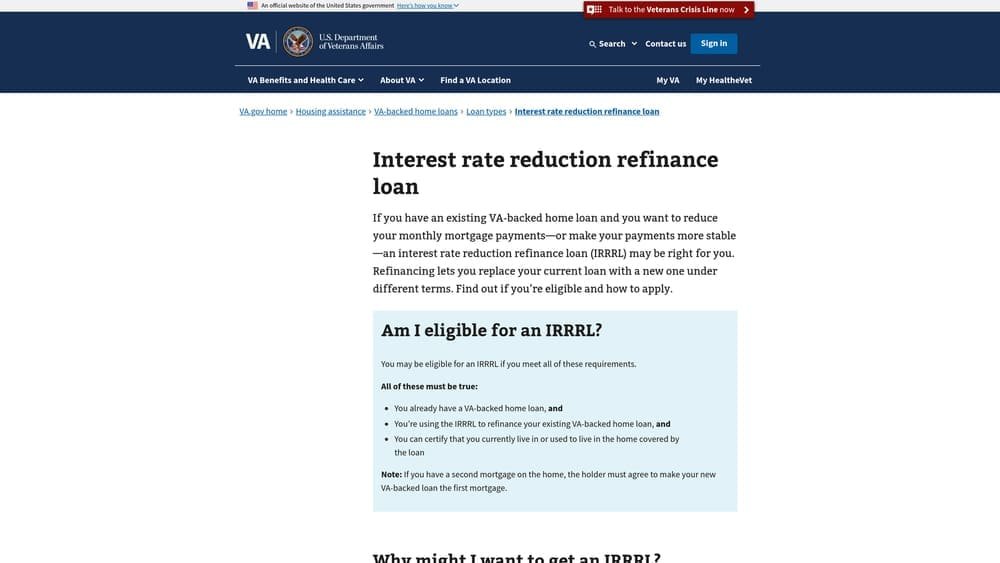
For eligible veterans and service members, VA financing may offer a stronger path than trying to force a conventional approval. ShopMortgageRates can compare wholesale VA options, including programs available down to a 500 FICO score and VA cash-out refinancing up to 100% loan-to-value when program requirements are met. The right move depends on eligibility, residual income, debts, property type, and the complete credit file.
Compare mortgage pricing without damaging your score
A preapproval should help you make a decision, not create a new problem. A NoTouch Credit Pull lets a buyer begin with a soft credit pull, also called a soft inquiry, rather than a hard inquiry. This credit-safe review gives a broker information to discuss likely programs, payment structure, and rate-shopping strategy while your credit remains protected.
Ask for a soft pull mortgage rate comparison before authorizing a hard inquiry. A NoTouch Credit Pull is not a final approval and cannot replace full underwriting, but it is an intelligent first step for borrowers comparing a mortgage broker with Rocket Mortgage or Movement Mortgage. You should know what your credit profile supports before you hand over your information to multiple companies or a lead-generation site.
The consumer advantage is not just the soft credit pull. It is having one broker compare the available market rather than accepting a single-source quote. Bring a competing estimate to the Dare to Compare pricing challenge. If the competing structure is better, you deserve a clear explanation of why. If wholesale pricing is better, you should see the dollars, not vague promises.
Frequently asked questions
1. How long before buying should I work on my credit?
Three to six months is useful for many buyers, especially when utilization is high. Even 30 to 45 days can help when lower card balances report quickly.
2. What score do I need to buy a house?
It depends on the program, down payment, income, debts, and property. Approval thresholds and best pricing thresholds are not the same thing.
3. Will paying off all credit cards improve my score?
Often, lower utilization helps. Keeping a small reported balance on one card can also be preferable to showing every revolving account at zero, but do not carry interest just to chase points.
4. Should I close cards after paying them off?
Usually no. Closing cards can reduce available credit and increase utilization. Review exceptions with your broker.
5. Do medical collections affect mortgage approval?
They can, depending on the loan program and the account details. Do not assume an older medical collection automatically prevents a purchase.
6. Can a soft inquiry lower my credit score?
No. A soft inquiry does not affect your score the way a hard inquiry can.
7. Is a rapid rescore the same as credit repair?
No. A rapid rescore updates verified information, such as a newly paid balance. It does not erase accurate negative history.
8. Should I wait for a perfect score before shopping?
No. Waiting can cost you a home or market opportunity. Get a realistic review, identify the highest-value improvements, and compare program options now.
Your best next move is simple: improve only what changes the mortgage decision, preserve your cash position, and compare total costs instead of chasing a headline rate. A disciplined credit plan gives you more negotiating power when the right home appears.
Duane Buziak, NMLS #1110647 ShopMortgageRates.com | Coast2Coast Mortgage LLC, NMLS #376205 Scotsman Guide Top Originator #114 (2025) | VA Broker of the Year 2024-2025 | Top 1% Nationwide
Legal disclaimer: Mortgage programs, credit standards, pricing, and approval decisions vary by borrower profile, property, and market conditions. Illustrations are not offers or commitments to lend. ShopMortgageRates.com operates through Coast2Coast Mortgage LLC, NMLS #376205, and is licensed to originate mortgage loans in Virginia, Florida, Tennessee, Georgia, and Washington, DC only.